Introduction :-
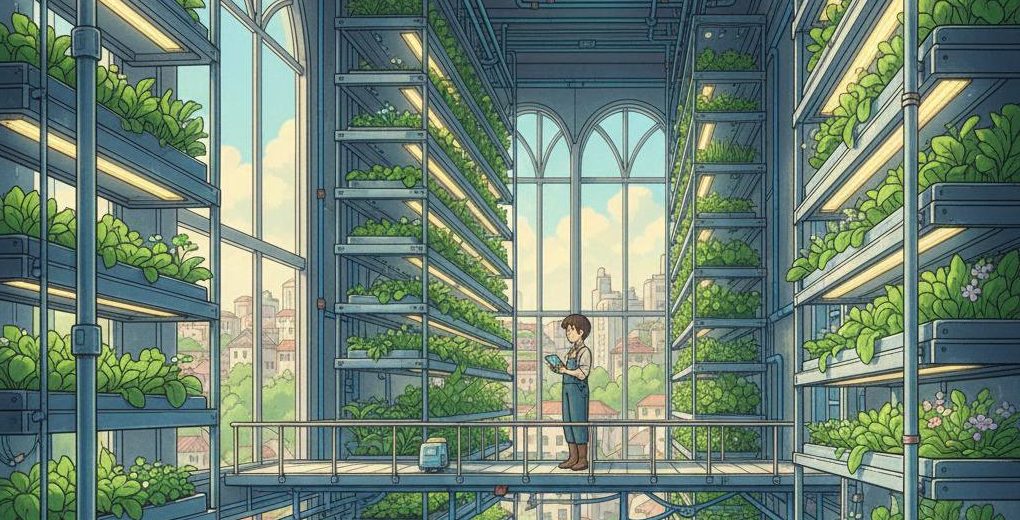
Vertical farming is a modern agricultural method that allows crops to grow in stacked layers, often in controlled indoor environments. This innovative approach is gaining attention worldwide due to its ability to produce high-quality food in urban areas where land is limited. By using vertical space, farmers can maximize production on a small footprint, reducing the need for traditional farmland. Vertical farming often combines hydroponics, aeroponics, and LED lighting to provide plants with optimal nutrients, water, and light. It also allows year-round cultivation, reduces water usage, and minimizes transportation costs by growing food close to urban markets. Understanding vertical farming can help farmers, entrepreneurs, and communities adopt sustainable and efficient food production practices.
🌾 Vertical farming makes use of stacked layers to grow crops, saving space and increasing production in urban areas.
💧 Controlled water systems like hydroponics and aeroponics help conserve water and deliver nutrients efficiently to plants.
🌿 Indoor vertical farms reduce pest problems and lower the need for chemical pesticides, ensuring healthier crops.
🌞 LED lights provide the exact spectrum of light needed for optimal plant growth, regardless of outdoor conditions.
🌱 Vertical farming allows year-round production, ensuring a continuous supply of fresh vegetables and herbs.
Below are some key aspects of vertical farming that farmers and urban growers can implement to improve efficiency, productivity, and sustainability.
🔵 1️⃣ Space Optimization and Urban Farming
Vertical farming allows cultivation in limited spaces such as rooftops, warehouses, and indoor facilities. By stacking plants vertically, farmers can grow more crops per square meter compared to traditional farming. This is particularly valuable in cities where land is expensive and scarce. Urban vertical farms reduce transportation costs and provide fresh produce directly to local markets. Additionally, using vertical space can reduce pressure on rural farmland, helping preserve natural ecosystems. Careful planning of stacking structures, plant density, and access for maintenance ensures maximum yield while maintaining plant health and easy management in urban environments.
🔵 2️⃣ Hydroponics and Aeroponics Integration
Vertical farming often uses hydroponics or aeroponics to grow plants without soil. Hydroponics delivers nutrient-rich water directly to plant roots, while aeroponics sprays a fine nutrient mist onto roots suspended in air. Both methods provide precise control over nutrients, water, and oxygen, promoting faster growth and higher yields. These systems reduce water usage by recycling solutions and prevent soil-borne diseases, leading to healthier crops. Farmers can also tailor nutrient solutions to specific crops, improving flavor, nutritional value, and overall quality. Proper maintenance of these systems is essential for consistent performance and sustainable production.
🔵 3️⃣ Energy-Efficient Lighting and Climate Control
LED lighting is a critical component of vertical farming, providing plants with the necessary light spectrum for photosynthesis. Unlike sunlight, LED lights can be adjusted for intensity and duration, optimizing growth and reducing energy waste. Climate control systems regulate temperature, humidity, and CO2 levels, ensuring ideal growing conditions year-round. Proper energy management reduces electricity costs and carbon footprint. By monitoring and automating lighting and climate systems, farmers can maintain consistent crop quality, increase productivity, and adapt to changing seasons or extreme weather, making vertical farming a reliable and sustainable method of food production.
🔵 4️⃣ Pest and Disease Management
Vertical farms benefit from controlled indoor environments that limit exposure to pests and diseases. Soil-borne pathogens are eliminated, and air circulation systems help prevent fungal infections. Regular monitoring, proper sanitation, and biological controls can be used to manage any pest outbreaks without relying on harmful chemical pesticides. This ensures safer and healthier crops for consumers. Reduced pest risk also improves crop yield and reduces production losses. Integrating technology such as cameras and sensors can detect early signs of stress or disease, enabling farmers to take prompt action and maintain plant health efficiently.
🔵 5️⃣ Sustainability and Resource Efficiency
Vertical farming is highly sustainable, using fewer resources compared to traditional farming. Water is conserved through recirculation systems, and nutrient use is optimized to prevent waste. Indoor farms reduce land use, protect soil health, and minimize environmental degradation. Additionally, urban vertical farms shorten the supply chain, reducing food transportation emissions and delivering fresher produce. Renewable energy sources such as solar panels can further enhance sustainability. By efficiently using water, nutrients, space, and energy, vertical farming provides a modern solution to food security, environmental protection, and resource management in both urban and rural settings.
🌾 Conclusion
Vertical farming offers a practical, sustainable, and efficient way to grow crops, particularly in urban and land-limited areas. By optimizing space, integrating hydroponics and aeroponics, controlling light and climate, managing pests effectively, and conserving resources, farmers can achieve higher yields and healthier produce. This method reduces environmental impact, ensures year-round food production, and brings fresh crops closer to consumers. Adopting vertical farming practices promotes sustainable agriculture while addressing the challenges of population growth, urbanization, and climate change. With proper planning and management, vertical farming can transform modern agriculture into a productive and eco-friendly system.