Introduction:-
Smart farming is transforming the way agriculture is practiced around the world. With increasing population, shrinking farmland, and unpredictable weather, traditional farming methods are no longer enough to meet food demands. Smart farming uses technology, data, and modern tools to optimize crop production, reduce waste, and improve farm efficiency. It combines sensors, drones, automated machinery, and digital monitoring to help farmers make informed decisions about irrigation, fertilization, pest control, and harvesting. This approach not only increases productivity but also reduces costs and environmental impact. By embracing smart farming, farmers can achieve higher yields, better quality crops, and sustainable practices that protect resources for future generations.
🌾 Smart farming uses sensors and digital tools to monitor crops, soil, and weather. This helps farmers make timely decisions and reduce losses.
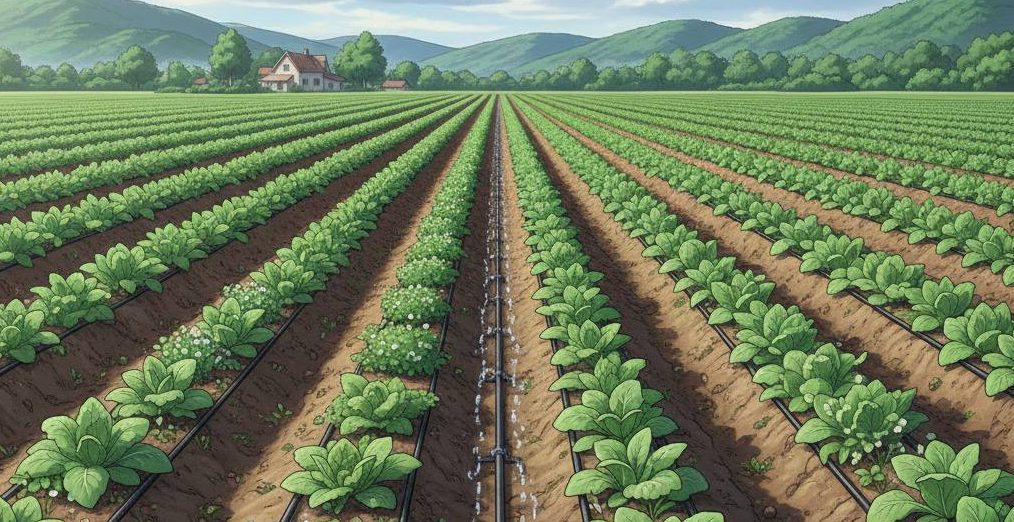
💧 Precision irrigation is a key part of smart farming. It provides water only where and when plants need it, saving water and energy.
🌿 Drones and satellite imagery allow farmers to assess crop health, detect pests, and plan interventions efficiently.
🌞 Automated machinery, such as robotic planters and harvesters, reduces labor costs and improves work efficiency.
🌱 Smart farming integrates data analysis and forecasting to predict yields, manage risks, and optimize resource use.
Below are some key aspects of smart farming that farmers can apply to increase productivity, sustainability, and profitability.
🔵 1️⃣ Precision Agriculture
Precision agriculture is a cornerstone of smart farming. It involves using sensors, GPS, and software to monitor and manage crops at a very detailed level. Farmers can measure soil moisture, nutrient levels, and crop health in real-time, which allows precise application of water, fertilizers, and pesticides. This minimizes waste, reduces costs, and prevents overuse of chemicals that can harm the environment. Precision agriculture also helps detect crop diseases early and manage them before significant losses occur. By tailoring farming practices to the specific needs of each plot or even each plant, farmers can maximize yields, save resources, and ensure healthier crops that meet market standards.
🔵 2️⃣ Automated Machinery and Robotics
Smart farming relies heavily on automated machinery and robotics to reduce manual labor and improve efficiency. Robotic planters, harvesters, and weeders perform repetitive tasks quickly and accurately, saving time and labor costs. Automation also ensures that delicate crops are handled carefully, reducing damage and waste. Drones equipped with cameras and sensors can spray fertilizers or pesticides only where needed, improving precision and safety. By incorporating robotics, farmers can manage larger areas with fewer workers, increase productivity, and maintain consistent quality. Automation also helps farmers operate under challenging conditions, such as extreme heat or labor shortages, making farming more resilient.
🔵 3️⃣ Data-Driven Decision Making
Data plays a crucial role in smart farming. Farmers collect information on soil quality, weather patterns, crop growth, and market trends using sensors, apps, and cloud platforms. This data helps in making informed decisions, such as the right time to plant, irrigate, or harvest. Advanced analytics can predict pest outbreaks, water shortages, or disease risks, allowing proactive measures. Using data-driven insights, farmers can optimize inputs, reduce unnecessary costs, and improve overall farm performance. Smart farming transforms traditional intuition-based decisions into precise, science-backed strategies, leading to higher yields, better-quality produce, and more sustainable farming practices.
🔵 4️⃣ Efficient Water and Nutrient Management
Smart farming ensures efficient use of water and nutrients to maximize crop growth while conserving resources. Technologies like drip irrigation, automated sprinklers, and soil moisture sensors provide water only when and where it is needed. Similarly, nutrient sensors guide the precise application of fertilizers, preventing overuse and reducing environmental pollution. This approach not only improves crop yield and quality but also lowers input costs. Efficient resource management protects soil health and water bodies from contamination. Farmers using these methods can sustainably grow more food while minimizing the ecological footprint of their operations, making agriculture more responsible and climate-friendly.
🔵 5️⃣ Remote Monitoring and Forecasting
Remote monitoring and forecasting are essential features of smart farming. Farmers can use drones, satellite imagery, and IoT devices to observe crops and soil conditions from anywhere. This allows quick responses to issues such as pest infestations, nutrient deficiencies, or water stress. Additionally, weather forecasting tools help farmers plan planting, irrigation, and harvesting schedules to avoid crop losses. Remote monitoring saves time, reduces labor requirements, and provides valuable insights for long-term farm management. By combining real-time observation with predictive forecasting, farmers can make proactive decisions, increase resilience to climate changes, and maintain consistent productivity.
🌾 Conclusion
Smart farming represents the future of agriculture, offering innovative ways to increase productivity while conserving resources. By adopting precision agriculture, automated machinery, data-driven decisions, efficient water and nutrient management, and remote monitoring, farmers can achieve higher yields and better-quality crops. These practices reduce costs, minimize environmental impact, and make farming more sustainable and resilient to challenges. Embracing smart farming enables farmers worldwide to optimize resources, protect the environment, and secure food production for future generations. Integrating technology with traditional knowledge ensures a modern, practical, and profitable approach to agriculture.