Introduction:-
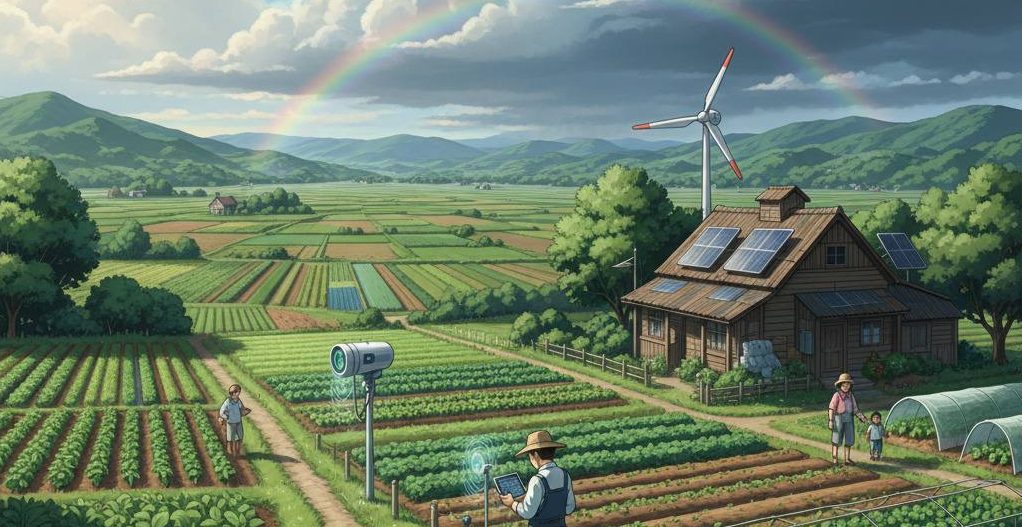
Climate change is one of the biggest challenges facing agriculture today. Rising temperatures, unpredictable rainfall, and extreme weather events have made farming more difficult for millions of farmers around the world. Climate-smart agriculture (CSA) is a modern approach that helps farmers adapt to these changes while maintaining productivity and protecting the environment. It combines sustainable practices, innovative technology, and resource-efficient methods to make farming more resilient. By focusing on improving soil health, conserving water, and reducing greenhouse gas emissions, CSA not only supports higher crop yields but also safeguards the livelihoods of farmers. Understanding and implementing climate-smart strategies is essential for ensuring food security and creating a sustainable agricultural future.
🌾 Climate-smart agriculture focuses on adapting crops and farming practices to cope with changing climate patterns. It helps farmers prepare for droughts, floods, and heat stress.
💧 Efficient water management is a key part of CSA. Farmers use techniques like drip irrigation and rainwater harvesting to save water and ensure crops get enough moisture.
🌿 Soil health is improved through crop rotation, organic fertilizers, and reduced tillage. Healthy soil holds more water and nutrients for better crop growth.
🌞 Climate-smart practices also include using climate-resistant crop varieties. These crops can tolerate extreme temperatures and pests, reducing losses.
🌱 CSA encourages the use of renewable energy and low-carbon farming tools. This reduces greenhouse gas emissions and protects the environment.
Below are some key aspects of climate-smart agriculture that farmers can implement to improve productivity, resilience, and sustainability.
🔵 1️⃣ Sustainable Crop Management
Sustainable crop management is at the heart of climate-smart agriculture. Farmers can use techniques such as crop rotation, intercropping, and cover cropping to maintain soil fertility and prevent pest outbreaks. Rotating crops helps replenish essential nutrients and reduces the need for chemical fertilizers, which lowers production costs and environmental impact. Intercropping allows multiple crops to grow together, maximizing land use and protecting against total crop failure in case of extreme weather. Cover crops protect the soil from erosion, retain moisture, and improve soil organic matter. By adopting these sustainable practices, farmers can achieve stable yields, reduce environmental harm, and build long-term resilience to climate change.
🔵 2️⃣ Efficient Water Management
Water scarcity is a major challenge in modern agriculture, and climate-smart approaches prioritize efficient water use. Techniques such as drip irrigation, sprinkler systems, and rainwater harvesting allow farmers to deliver water directly to the plant roots, reducing waste. Mulching and contour farming help retain soil moisture and prevent evaporation. Climate-smart water management also involves scheduling irrigation based on weather forecasts and soil moisture levels. These practices not only save water but also reduce energy costs and enhance crop growth during dry periods. Effective water management ensures that farms remain productive even under changing rainfall patterns, supporting food security and farmer livelihoods.
🔵 3️⃣ Climate-Resilient Crop Varieties
One of the most effective ways to adapt to climate change is by planting climate-resilient crop varieties. These crops are specifically bred or selected to tolerate heat, drought, floods, or pests. For example, drought-resistant cereals or flood-tolerant rice varieties can help farmers maintain yields despite extreme weather. Using resilient seeds reduces the need for chemical interventions, lowers crop losses, and increases stability in production. Farmers should also consider local conditions and choose varieties suited to their region’s climate. Combining resilient crops with good farming practices creates a strong defense against climate unpredictability, helping farmers sustain their income and secure food supplies.
🔵 4️⃣ Soil Health Improvement
Healthy soil is the foundation of climate-smart agriculture. Farmers can enhance soil health through organic matter addition, composting, and minimal tillage practices. Adding compost or manure improves soil fertility, structure, and moisture retention. Reduced tillage prevents soil erosion, maintains soil microbes, and preserves nutrients. Cover crops and green manures can further enrich the soil while suppressing weeds. Improved soil health increases crop productivity, reduces dependency on chemical fertilizers, and enhances resilience against drought and extreme weather. Regular soil testing helps farmers understand nutrient needs and avoid overuse of inputs, ensuring sustainable and profitable farming.
🔵 5️⃣ Low-Carbon Farming Practices
Climate-smart agriculture emphasizes reducing greenhouse gas emissions while maintaining productivity. Low-carbon practices include using renewable energy for irrigation, solar-powered pumps, energy-efficient machinery, and minimal use of fossil-fuel-based inputs. Farmers are also encouraged to plant trees around fields, practice agroforestry, and maintain natural habitats to sequester carbon. These methods not only reduce environmental impact but also enhance biodiversity and ecosystem services. By adopting low-carbon strategies, farms contribute to climate change mitigation, lower operational costs, and create a sustainable model for future generations of farmers.
🌾 Conclusion
Climate-smart agriculture is essential for modern farming, offering solutions to the challenges posed by climate change. By adopting sustainable crop management, efficient water use, resilient crop varieties, improved soil health, and low-carbon practices, farmers can enhance productivity while protecting the environment. CSA strengthens farm resilience, reduces risks from extreme weather, and supports long-term food security. Embracing these practices ensures a sustainable and profitable agricultural future. Farmers worldwide can benefit from climate-smart strategies, creating a balance between farming, nature, and the changing climate.