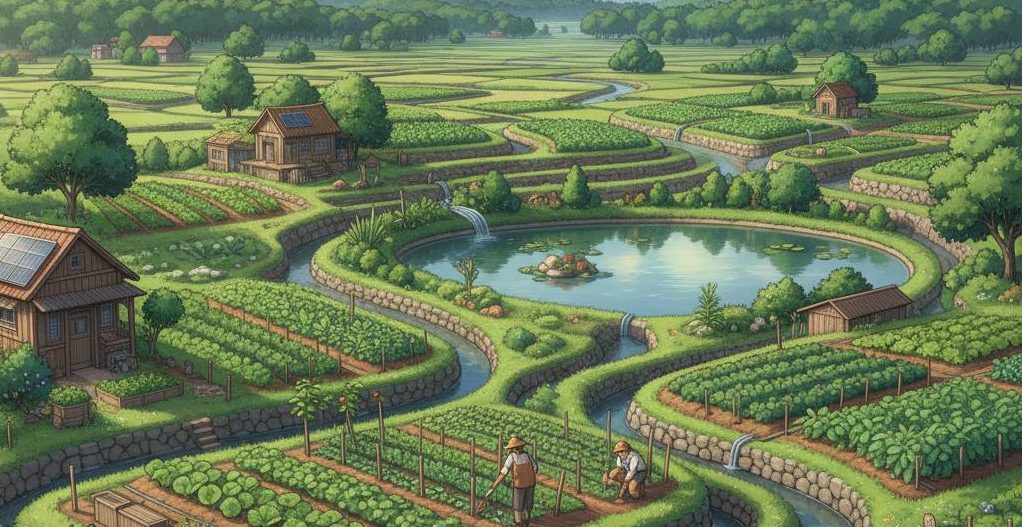
Sustainable agriculture is a modern farming approach that focuses on producing food while maintaining the health of the environment, economy, and society. It aims to meet current food needs without compromising the ability of future generations to grow crops. This method integrates eco-friendly practices, efficient resource use, and social responsibility to create a balanced farming system. Sustainable agriculture reduces chemical use, conserves water, improves soil fertility, and encourages biodiversity. Farmers practicing sustainable methods can achieve long-term productivity, reduce costs, and access premium markets for responsibly grown produce. Understanding sustainable agriculture helps farmers make informed choices that protect natural resources, support rural communities, and ensure consistent, high-quality food production.
🌱 Soil conservation is vital in sustainable agriculture. Techniques like crop rotation, cover crops, and organic amendments improve fertility and prevent erosion.
🌱 Water management supports long-term productivity. Efficient irrigation, rainwater harvesting, and mulching help conserve water and enhance crop growth.
🌱 Biodiversity enhances farm resilience. Integrating different crops, trees, and beneficial insects reduces pest pressure and improves ecosystem balance.
🌱 Reduced chemical use protects the environment. Organic fertilizers, natural pest control, and composting maintain soil health and prevent pollution.
🌱 Market and economic planning ensure farm sustainability. Strategic crop selection, value addition, and local marketing improve profitability and livelihood stability.
Below are the key points for successful sustainable agriculture practices:
🔵 1️⃣ Soil Health and Fertility Management
Maintaining healthy soil is the foundation of sustainable agriculture. Farmers should use organic compost, green manure, and biofertilizers to enrich soil fertility naturally. Crop rotation, intercropping, and cover crops prevent nutrient depletion and control pests. Mulching helps retain soil moisture, reduce erosion, and maintain temperature. Conducting regular soil tests allows farmers to monitor nutrient levels and adjust organic amendments accordingly. Healthy soil improves root development, plant growth, and crop yield, ensuring long-term farm productivity and ecological balance while reducing dependency on chemical inputs.
🔵 2️⃣ Water Management and Irrigation Practices
Efficient water use is essential in sustainable agriculture. Farmers should employ drip irrigation, sprinklers, and rainwater harvesting to provide precise water to crops while conserving resources. Mulching and maintaining soil structure reduce evaporation and improve water retention. Scheduling irrigation based on crop stage, soil type, and weather conditions ensures plants receive adequate moisture for optimal growth. Proper water management prevents waterlogging, reduces disease risks, and improves nutrient uptake. Sustainable irrigation techniques conserve water, enhance crop quality, and support resilient agricultural systems in the long term.
🔵 3️⃣ Crop Diversification and Biodiversity
Integrating multiple crops, trees, and beneficial organisms strengthens farm resilience and ecological stability. Crop diversification reduces the risk of total crop failure due to pests, diseases, or climate variations. Planting trees, legumes, and flowering plants attracts pollinators and natural predators that control pests. Maintaining soil biodiversity through organic practices improves nutrient cycling and soil structure. Biodiverse farms are more resilient to environmental stress, require fewer chemical interventions, and contribute positively to the local ecosystem. Promoting biodiversity in farming ensures healthier crops, sustainable yields, and ecological harmony.
🔵 4️⃣ Pest and Disease Management with Reduced Chemicals
Sustainable agriculture emphasizes minimizing chemical use for pest and disease control. Farmers should adopt integrated pest management (IPM) techniques, including biological control, companion planting, and organic sprays. Crop rotation, resistant varieties, and proper field hygiene prevent the spread of pathogens naturally. Encouraging beneficial insects, birds, and microorganisms helps maintain a balanced ecosystem. Reducing synthetic pesticide use protects soil, water, and human health while maintaining high crop quality. Effective pest and disease management ensures sustainable production, higher yields, and long-term environmental safety.
🔵 5️⃣ Economic Planning and Market Strategies
Sustainable agriculture is not only about ecology but also farm profitability. Farmers should plan crop selection based on market demand, seasonality, and farm resources. Value addition through processing, packaging, or organic labeling can increase income. Direct marketing to consumers, local cooperatives, or organic marketplaces helps secure fair prices. Keeping production costs low with efficient resource management improves economic sustainability. Strategic planning ensures stable income, reduces financial risks, and enables farmers to continue practicing environmentally responsible agriculture over the long term.
Conclusion
Sustainable agriculture integrates ecological balance, economic viability, and social responsibility to create long-term productive farming systems. By focusing on soil health, efficient water use, biodiversity, reduced chemical input, and strategic market planning, farmers can achieve high-quality yields while protecting natural resources. Sustainable practices enhance resilience against climate change, reduce costs, and promote healthier food production. Adopting these practical strategies ensures environmental conservation, food security, and stable livelihoods for farming communities. Farmers who implement sustainable agriculture can enjoy consistent productivity, improved ecosystem health, and a prosperous, responsible future in farming.