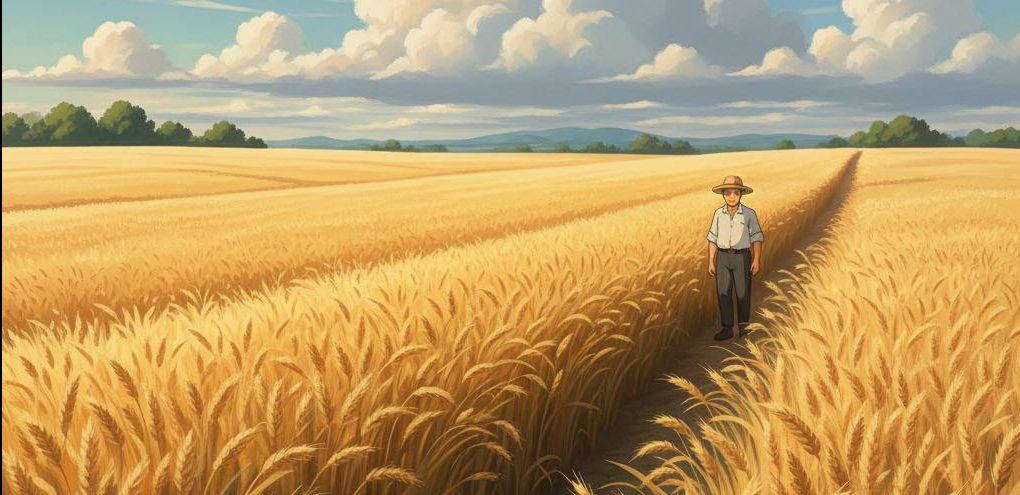
Wheat farming is one of the most important agricultural practices worldwide, providing a staple food for millions of people. It involves cultivating wheat, a cereal crop, under suitable soil and climate conditions to achieve high yield and quality grains. Successful wheat farming requires knowledge of soil preparation, seed selection, sowing techniques, irrigation, and pest management. Farmers need to consider seasonal variations, local climate, and market demand to maximize productivity. With proper planning and modern farming practices, wheat farming can be both profitable and sustainable, ensuring food security and supporting rural livelihoods. Understanding the fundamentals of wheat cultivation helps farmers make informed decisions and adapt to changing environmental conditions effectively.
🌾 Soil preparation is a crucial step in wheat farming. Proper plowing, leveling, and adding organic matter enhance soil fertility and water retention, which supports healthy crop growth.
🌾 Selecting high-quality wheat seeds ensures better germination and higher yields. Farmers should choose varieties suitable for local climate and resistant to common pests and diseases.
🌾 Timely sowing significantly affects wheat productivity. Planting seeds at the right season allows crops to utilize rainfall and temperature conditions effectively.
🌾 Efficient irrigation methods help maintain soil moisture and promote strong plant growth. Overwatering or under-watering can reduce yield and affect grain quality.
🌾 Pest and disease management is essential in wheat farming. Regular monitoring, natural control methods, and careful use of pesticides prevent crop loss and maintain healthy plants.
Below are the key points for successful wheat farming practices:
🔵 1️⃣ Soil Preparation and Fertility Management
Healthy soil is the foundation of high-yield wheat farming. Farmers should plow the land thoroughly to break up compacted layers, which improves aeration and water absorption. Adding organic matter like compost or farmyard manure enhances soil fertility and structure, providing essential nutrients for wheat growth. Testing soil pH and nutrient levels helps determine the need for fertilizers and amendments. Crop rotation with legumes can naturally enrich the soil with nitrogen and reduce soil-borne diseases. Proper leveling ensures uniform water distribution, reducing waterlogging or drought stress. By maintaining fertile and well-prepared soil, farmers can achieve stronger plants, higher yields, and sustainable wheat production.
🔵 2️⃣ Seed Selection and Sowing Techniques
Selecting high-quality, certified seeds is critical for successful wheat farming. Farmers should choose varieties suited to local climate, soil type, and rainfall patterns. Short-duration varieties may be ideal in regions with unpredictable weather, while high-yield varieties perform well under optimal conditions. Sowing depth and spacing must be carefully managed to ensure uniform germination and reduce competition among plants. Techniques such as seed treatment with fungicides or biofertilizers can protect seeds from early diseases and enhance growth. Accurate seed sowing, combined with proper varietal choice, improves germination, root development, and ultimately, grain yield.
🔵 3️⃣ Irrigation and Water Management
Efficient water management is essential for wheat growth, especially in areas with irregular rainfall. Farmers should use methods like drip irrigation or sprinkler systems to provide precise water amounts during critical growth stages such as tillering and grain filling. Over-irrigation can lead to root diseases, while insufficient water causes stunted growth and low yields. Rainwater harvesting and mulching help conserve soil moisture and reduce dependency on external water sources. Monitoring soil moisture using simple tools or visual inspection ensures timely irrigation. Proper water management maximizes wheat productivity while conserving resources and reducing production costs.
🔵 4️⃣ Pest and Disease Management
Wheat crops are susceptible to pests such as aphids, armyworms, and diseases like rust and smut. Early detection is crucial to prevent large-scale damage. Integrated pest management (IPM) practices, including crop rotation, natural predators, resistant varieties, and minimal pesticide use, help maintain healthy crops. Proper field sanitation and removing infected plants reduce the spread of disease. Farmers should regularly inspect crops and apply control measures only when necessary, avoiding excessive chemical use. Effective pest and disease management ensures better yield, higher grain quality, and sustainable farming practices.
🔵 5️⃣ Harvesting and Post-Harvest Management
Timely harvesting is vital to preserve wheat quality and prevent losses. Wheat should be harvested when grains are fully mature and moisture content is low to avoid spoilage. Using appropriate harvesting equipment reduces crop damage and increases efficiency. After harvesting, proper drying under shade or using solar dryers prevents mold and retains grain quality. Storage in moisture-proof containers or silos ensures long-term preservation of seeds and produce. Farmers can also practice seed selection for the next season to maintain high-quality stock. Good post-harvest management maximizes profits and ensures sustainable wheat farming.
Conclusion
Wheat farming is a rewarding practice that requires careful planning, proper soil management, high-quality seeds, efficient irrigation, and effective pest control. By adopting modern and sustainable techniques, farmers can increase productivity, improve grain quality, and reduce environmental impact. These practices support long-term food security and provide reliable income for farming communities. Sustainable wheat cultivation ensures optimal use of natural resources while promoting economic stability. Farmers who implement smart wheat farming practices can achieve high yields, maintain soil health, and contribute to a sustainable agricultural future.