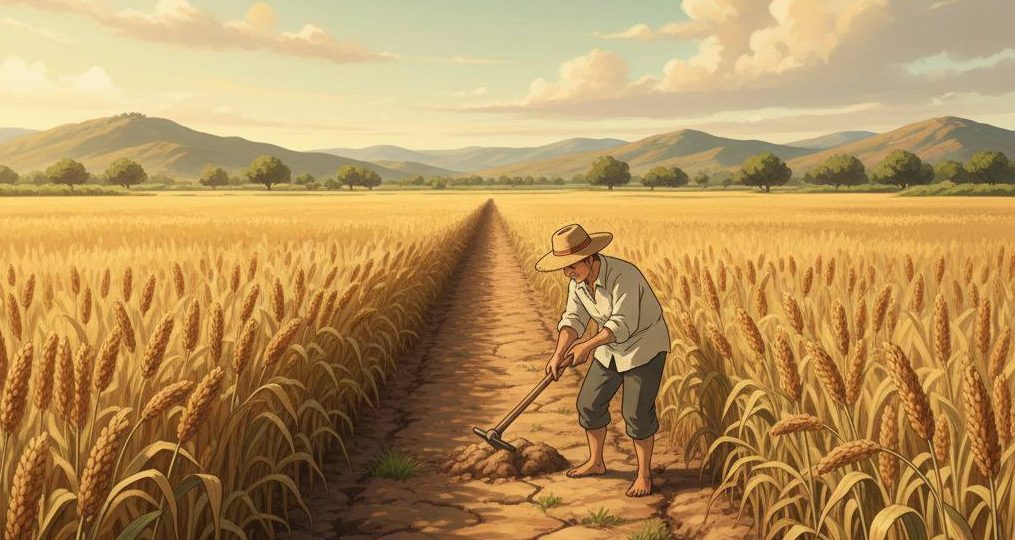
🌾 Dry Agriculture: A Complete Guide for Farmers
Dry agriculture is a farming method designed for regions with low rainfall and limited water resources. It focuses on growing crops that can survive with minimal irrigation, relying mainly on natural rainfall and moisture retention techniques. This method is especially important in arid and semi-arid areas, where traditional irrigation is not feasible or too expensive. Dry farming requires careful planning, soil management, and crop selection to maximize yield and conserve water. Farmers practicing dry agriculture learn to use efficient soil preparation, mulching, and drought-resistant crop varieties to maintain productivity even in challenging conditions. With climate change affecting rainfall patterns worldwide, dry agriculture is becoming increasingly vital for sustainable food production and rural livelihoods.
🌾 One key aspect of dry agriculture is proper soil preparation. Plowing and leveling the land help retain rainwater and reduce runoff.Healthy, well-tilled soil increases water absorption, which is critical for crop growth in dry areas.
🌾 Choosing the right crops is another essential factor. Drought-tolerant crops such as millet, sorghum, and pulses perform well under limited water conditions. These crops require less irrigation and are more resilient to harsh climates.
🌾 Moisture conservation techniques play a major role in dry agriculture. Mulching with crop residues or organic matter reduces evaporation, keeps the soil cool, and improves fertility over time.
🌾 Timing of sowing is also crucial. Planting seeds before the rainy season or during optimal soil moisture levels ensures better germination and reduces the risk of crop failure.
🌾 Pest and weed management is important to protect limited resources. Weeds compete for scarce water, so regular weeding and natural pest control methods help maintain healthy crops.
🌾 Below are the key points for successful dry agriculture practices:
🔵 1️⃣ Soil Management Techniques
Effective soil management is the foundation of dry agriculture. Farmers should focus on deep plowing and creating proper furrows to improve water infiltration. Adding organic matter like compost or farmyard manure enhances soil structure and moisture retention. Contour farming, where plowing follows the natural slope of the land, prevents soil erosion and water runoff. Cover crops such as legumes can also enrich the soil with nitrogen, reduce evaporation, and improve fertility. Regular testing of soil pH and nutrient levels allows farmers to make informed decisions on fertilizers and amendments. Maintaining healthy, loamy soil ensures crops can survive drought periods and achieve better yields without heavy irrigation.
🔵 2️⃣ Selecting Drought-Resistant Crops
Choosing crops that can tolerate dry conditions is vital. Cereals like millet and sorghum, legumes like chickpeas and lentils, and oilseeds like groundnuts are ideal for low-rainfall areas. These crops have deeper roots, allowing them to access moisture from lower soil layers. Crop rotation with drought-tolerant plants helps prevent soil depletion and reduces pest pressure. Farmers should also consider local climate conditions, rainfall patterns, and soil type when selecting varieties. High-yield, short-duration varieties are preferred in areas with unpredictable rainfall, as they complete their growth before water scarcity becomes critical. Proper crop selection ensures food security and reduces the risk of economic loss in dry regions.
🔵 3️⃣ Water Conservation Methods
Water conservation is the core of dry agriculture. Techniques such as mulching, rainwater harvesting, and building small bunds or check dams can significantly improve soil moisture levels. Mulching reduces evaporation, while rainwater harvesting allows farmers to collect and store water for critical growth stages. Drip irrigation, even on a small scale, can provide precise water supply to crops, saving up to 50% of water compared to traditional methods. Timely irrigation during flowering or pod formation stages maximizes yield efficiency. Farmers should also monitor soil moisture using simple tools or visual cues to avoid overwatering or water stress. Sustainable water management ensures long-term farm productivity in arid regions. 🌾
🔵 4️⃣ Weed and Pest Management
Weeds and pests can severely impact dry agriculture yields. Since water is limited, weeds compete directly with crops for moisture. Regular weeding, mulching, and using cover crops reduce weed growth naturally. Integrated pest management techniques, including biological control, trap crops, and minimal chemical use, help protect crops without wasting water. Crop rotation and intercropping disrupt pest life cycles and improve overall farm health. Farmers should also monitor crops frequently for early signs of disease or insect attack to prevent large-scale damage. Effective weed and pest management ensures that scarce water resources directly benefit the main crops.
🔵 5️⃣ Harvesting and Post-Harvest Practices
Proper harvesting and post-harvest management are critical for dry agriculture success. Crops grown with minimal water may mature unevenly, so careful timing of harvest is essential. Using appropriate tools reduces crop loss and damage. After harvesting, drying crops under shade or using solar dryers preserves quality and reduces moisture content, preventing spoilage. Proper storage in moisture-proof containers ensures seeds and produce remain viable for the next season. Farmers can also adopt value-added practices like seed selection and grading to improve marketability. Good post-harvest management maximizes returns and sustains farm income in dry regions.
🌾 Conclusion
Dry agriculture is a sustainable and practical approach for farming in areas with limited water. By focusing on soil health, selecting drought-tolerant crops, conserving water, managing weeds and pests, and practicing careful harvesting, farmers can achieve reliable yields even under challenging conditions. These methods not only help secure food production but also support environmental sustainability and efficient resource use. Adopting smart, practical strategies ensures long-term productivity, economic stability, and resilience against climate variability. Farmers who implement dry agriculture practices can thrive while maintaining a balance between farming needs and natural resource conservation.