Introduction
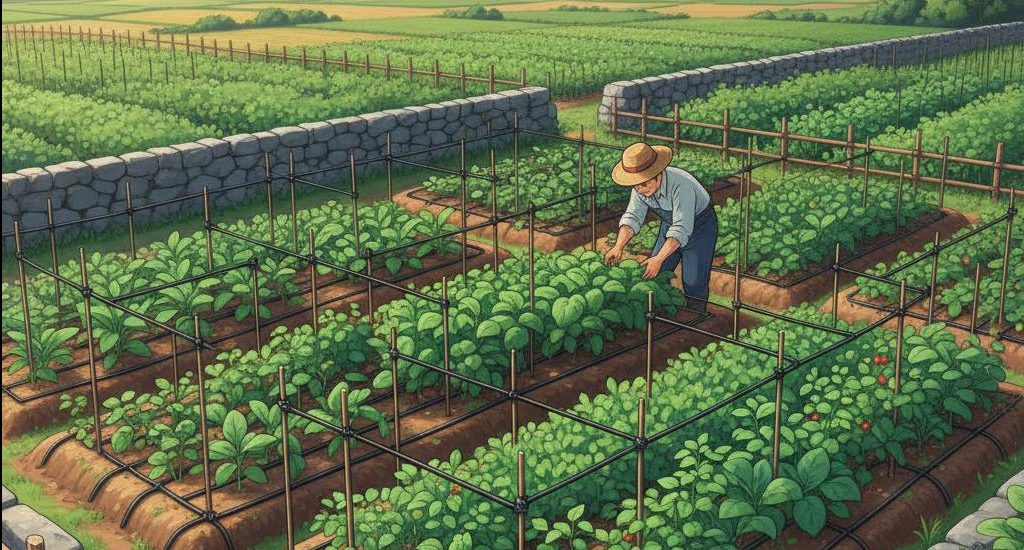
🌾 Intensive farming is a modern agricultural system designed to produce high yields from a relatively small area of land. In this method, farmers use more labor, inputs, and technology per unit of land to increase productivity. Intensive farming is widely practiced in regions where land is limited but population pressure is high, such as parts of Asia and Europe. This system focuses on maximizing output by using improved seeds, fertilizers, irrigation, and careful crop management. Intensive farming plays a vital role in ensuring food security, especially in densely populated areas. However, it also requires proper planning and responsible practices to avoid negative impacts on soil, water, and the environment. Understanding intensive farming helps farmers and readers learn how food production can be increased while balancing sustainability and long-term agricultural health.
Short Tips Section
🌾 Intensive farming involves growing crops or raising livestock on a small area of land with high input use to achieve maximum production.
🌾 This farming system depends heavily on modern techniques such as irrigation, fertilizers, pesticides, and improved crop varieties.
🌾 Labor input is usually high, with farmers closely managing crops through regular watering, weeding, and monitoring.
🌾 Intensive farming is common in areas with high population density where land availability is limited.
🌾 When managed carefully, this system can produce large amounts of food from limited space.
Key Aspects of Intensive Farming
Below are the most important points that explain intensive farming in detail, including its methods, benefits, and challenges.
🔵 1️⃣ Meaning and Core Characteristics
🌾 Intensive farming is defined by the high use of inputs such as labor, capital, fertilizers, and technology on a small land area. The main goal is to achieve maximum yield per hectare. Farmers carefully plan every stage of production, from land preparation to harvesting. Crops are often grown close together, and high-yield varieties are commonly used. Regular irrigation and nutrient management are essential to support dense crop growth. Because of this close management, farmers must monitor soil health, pests, and diseases continuously. Intensive farming is especially important in countries with limited farmland, as it allows farmers to produce enough food to meet the needs of a growing population.
🔵 2️⃣ Types of Intensive Farming
🌾 There are different forms of intensive farming practiced around the world. Intensive subsistence farming is common in developing countries, where farmers grow crops mainly for family consumption but use intensive methods to increase yield. Intensive commercial farming focuses on market-oriented production using advanced technology and investment. Intensive livestock farming involves raising a large number of animals in controlled environments to maximize meat, milk, or egg production. Each type is adapted to local conditions and resources, but all aim to increase output from limited land through careful management and efficient use of inputs.
🔵 3️⃣ Methods and Techniques Used
🌾 Intensive farming relies on scientific and modern farming techniques. Farmers use improved or hybrid seeds that offer higher yields and better resistance to pests. Fertilizers are applied carefully to maintain soil nutrients, while irrigation systems ensure a regular water supply. Crop rotation and intercropping are sometimes practiced to reduce disease risk and improve soil health. Pest and disease control is managed through timely monitoring and controlled use of pesticides. Mechanization, where possible, helps reduce labor effort and improves efficiency. These methods together help farmers achieve consistent and high productivity.
🔵 4️⃣ Advantages of Intensive Farming
🌾 One of the main benefits of intensive farming is high food production from a small area of land. This is especially valuable in regions where land is scarce. It helps meet the food demands of growing populations and supports local and national food security. Intensive farming can increase farmer income due to higher yields and better market supply. It also encourages the use of modern technology and innovation in agriculture. When managed properly, this system can make farming more efficient and productive, helping farmers make better use of available resources.
🔵 5️⃣ Challenges and Sustainable Practices
🌾 Despite its benefits, intensive farming also presents challenges. Excessive use of fertilizers and pesticides can lead to soil degradation, water pollution, and loss of biodiversity. Continuous cropping may reduce soil fertility over time if not managed carefully. High input costs can be difficult for small farmers to afford. To address these issues, sustainable practices such as balanced fertilizer use, integrated pest management, efficient irrigation, and regular soil testing are essential. Adopting eco-friendly methods helps protect natural resources while maintaining productivity and long-term farm health.
Conclusion
🌾 Intensive farming plays a crucial role in modern agriculture by producing large amounts of food from limited land resources. It helps support food security in densely populated regions and contributes to agricultural development. While this system relies on high input use and close management, responsible practices are necessary to reduce environmental impact. By combining modern technology with sustainable farming methods, farmers can maintain soil health, protect water resources, and ensure long-term productivity. Understanding and applying intensive farming wisely can help build a balanced agricultural system that meets current food needs while safeguarding the environment for future generations.