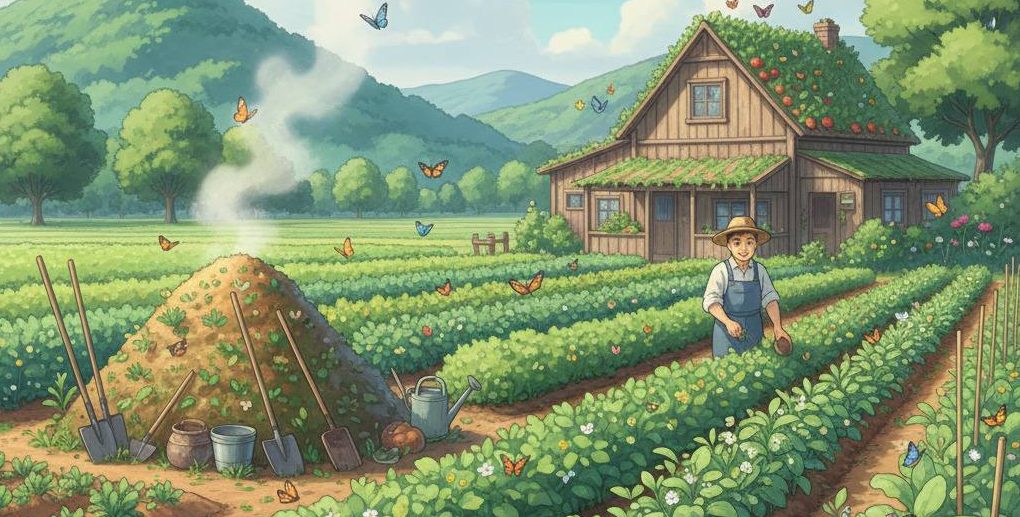
🌿 Organic Farming Tips & Tricks 🌿
Organic farming is a sustainable agricultural practice that focuses on growing crops and raising livestock without using synthetic chemicals, pesticides, or genetically modified organisms. It emphasizes natural processes, soil fertility, and ecological balance to produce healthy and nutritious food. Organic farming benefits both farmers and consumers by improving soil health, reducing environmental pollution, and providing chemical-free produce. It requires careful planning, knowledge of natural fertilizers, crop rotation, and integrated pest management to achieve high yields sustainably. Farmers practicing organic methods can also access premium markets, as organic products are increasingly in demand worldwide. By adopting organic farming, farmers contribute to environmental conservation, food safety, and long-term agricultural sustainability.
🌿 Soil health is the foundation of organic farming. Enriching soil with compost, manure, and cover crops promotes fertility and supports strong plant growth naturally.
🌿 Seed selection plays a vital role. Using high-quality, non-GMO seeds suited to local conditions ensures healthy crop development and better yields.
🌿 Natural pest and disease management is essential. Beneficial insects, crop rotation, and organic sprays help protect crops without harmful chemicals.
🌿 Irrigation management supports plant growth. Proper water supply, mulching, and moisture retention techniques improve productivity while conserving water.
🌿 Harvesting and post-harvest care maintain quality. Gentle handling, proper drying, and organic storage practices ensure freshness and reduce spoilage.
Below are the key points for successful organic farming practices:
🔵 1️⃣ Soil Preparation and Fertility Management
Healthy and fertile soil is crucial for organic farming success. Farmers should enrich soil with organic matter like compost, farmyard manure, green manure, and biofertilizers to improve structure, moisture retention, and nutrient content. Crop rotation and cover cropping help replenish soil nutrients naturally and prevent depletion. Mulching with organic materials reduces water evaporation, suppresses weeds, and maintains soil temperature. Regular soil testing helps farmers monitor fertility levels and plan appropriate natural amendments. Proper soil preparation ensures strong root systems, healthy plants, and higher productivity, making organic farming both sustainable and profitable over time.
🔵 2️⃣ Selection of Quality Seeds and Planting Techniques
Choosing high-quality, non-GMO seeds or saplings is essential in organic farming. Farmers should select varieties adapted to local soil, climate, and market demand. Using disease-resistant and high-yielding varieties reduces crop losses and increases profitability. Seed treatment with natural biofertilizers or beneficial microorganisms can promote germination and seedling health. Proper planting depth, spacing, and timing ensure optimal sunlight exposure, airflow, and nutrient availability. Techniques such as direct sowing, transplanting, or nursery raising depend on the crop type and season. Correct seed selection and planting practices support uniform growth and sustainable crop production.
🔵 3️⃣ Natural Pest and Disease Management
Organic farming relies on non-chemical methods to control pests and diseases. Farmers use integrated pest management (IPM) techniques, including biological control, crop rotation, companion planting, and organic sprays made from neem, garlic, or chili extracts. Encouraging beneficial insects such as ladybugs and predatory wasps helps manage pest populations naturally. Maintaining field hygiene, removing infected plants, and practicing proper spacing reduce disease spread. Monitoring crops regularly allows early intervention to prevent severe damage. Effective natural pest and disease management ensures healthier crops, reduces chemical dependency, and promotes a balanced ecosystem in the farm environment.
🔵 4️⃣ Irrigation and Water Management
Efficient water use is vital in organic farming. Proper irrigation ensures adequate moisture without causing waterlogging, which can lead to root diseases. Drip irrigation, sprinklers, and rainwater harvesting are effective methods to conserve water while supporting crop growth. Mulching with organic materials such as straw or leaves helps retain soil moisture and regulate temperature. Scheduling irrigation according to crop growth stages and seasonal conditions ensures that plants receive the right amount of water. Proper water management enhances nutrient absorption, improves plant health, and maximizes yield in organic farming systems sustainably.
🔵 5️⃣ Harvesting and Post-Harvest Management
Timely harvesting is essential to maintain crop quality and maximize market value in organic farming. Crops should be harvested at peak maturity to preserve flavor, nutrition, and shelf life. Gentle handling during harvest reduces damage and spoilage. Post-harvest care, including proper washing, sorting, drying, and storage in organic-approved containers, ensures freshness and safety. Organic farmers should avoid synthetic preservatives and focus on natural methods like cool storage or controlled drying. Good post-harvest practices increase profitability, maintain product quality, and reinforce the sustainability of organic farming systems.
Conclusion
Organic farming is a sustainable and profitable agricultural practice that prioritizes natural processes, soil health, and ecological balance. By focusing on organic soil enrichment, quality seeds, natural pest management, and efficient irrigation, farmers can produce high-quality, chemical-free crops. Proper harvesting and post-harvest management further enhance product value and reduce losses. Adopting organic farming not only benefits farmers economically but also contributes to environmental conservation, food safety, and long-term agricultural sustainability. Farmers who implement these practical strategies can enjoy healthy crops, consistent yields, and a positive impact on both their community and the planet.