Introduction:-
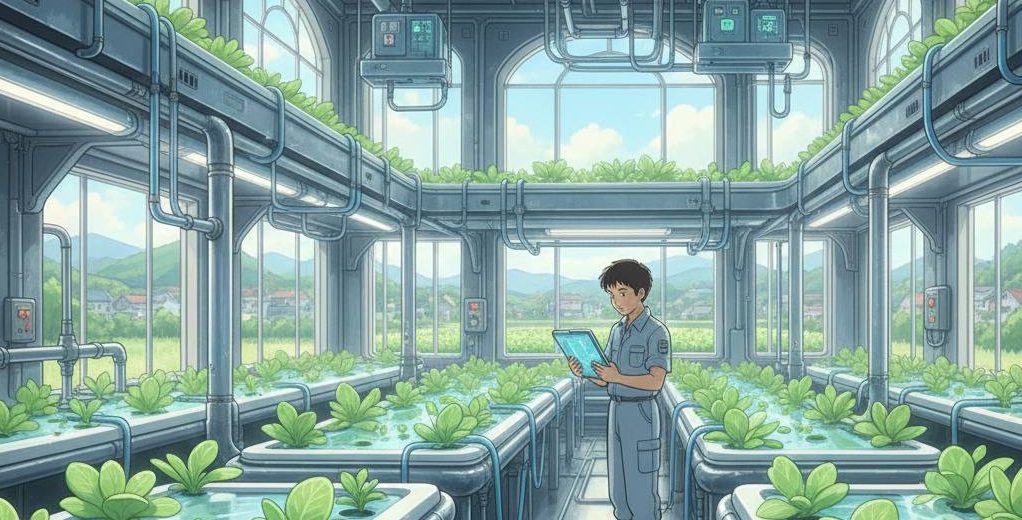
Hydroponic farming is a modern agricultural method that allows crops to grow without soil, using nutrient-rich water solutions instead. This innovative approach is gaining popularity worldwide because it enables higher yields, faster growth, and efficient use of space and resources. Hydroponics is particularly useful in urban areas, regions with poor soil quality, or places with limited farmland. By carefully controlling nutrients, water, and light, farmers can produce healthy crops year-round with minimal environmental impact. This method also reduces the need for pesticides and conserves water, making it an eco-friendly alternative to traditional farming. Understanding hydroponic farming can help farmers, gardeners, and entrepreneurs achieve sustainable, high-quality crop production.
🌾 Hydroponic farming allows crops to grow in water with nutrients, eliminating the need for soil and enabling faster growth.
💧 It uses less water than traditional farming because water is recycled and reused efficiently within the system.
🌿 Controlled environments in hydroponics reduce pest problems, decreasing the need for chemical pesticides.
🌞 Hydroponic systems can be set up indoors or on rooftops, making it ideal for urban and limited-space farming.
🌱 Nutrient solutions are precisely balanced to provide crops with all essential minerals, ensuring healthy growth and better yields.
Below are some key aspects of hydroponic farming that farmers and growers can implement for better productivity, sustainability, and efficiency.
🔵 1️⃣ Types of Hydroponic Systems
There are several types of hydroponic systems that farmers can choose from based on space, crops, and investment. Common systems include nutrient film technique (NFT), deep water culture (DWC), drip systems, and aeroponics. NFT involves a thin film of nutrient solution flowing over plant roots, while DWC keeps roots submerged in oxygenated water. Drip systems provide precise amounts of nutrient solution to each plant, and aeroponics sprays nutrient mist directly onto roots. Each system has its advantages and can be customized for different crops. Understanding system requirements, costs, and maintenance needs helps farmers select the best approach for efficient growth, higher yields, and minimal resource use.
🔵 2️⃣ Nutrient Management
Effective nutrient management is crucial in hydroponic farming. Plants rely entirely on the nutrient solution for growth, so it must contain balanced minerals like nitrogen, phosphorus, potassium, calcium, and magnesium. Regular monitoring of pH levels and electrical conductivity ensures nutrients are available in the correct amounts. Improper nutrient management can lead to poor growth, nutrient deficiencies, or plant diseases. By maintaining accurate nutrient ratios, farmers can maximize plant health, improve yield quality, and avoid wasting resources. Automated systems can help deliver precise nutrients, reducing labor and improving consistency, which is especially useful in large-scale hydroponic setups.
🔵 3️⃣ Water Efficiency and Conservation
Hydroponic farming is highly water-efficient, using up to 90% less water than traditional soil-based farming. Water is recirculated in closed systems, reducing waste and conserving this vital resource. Monitoring water levels, temperature, and oxygen content ensures optimal conditions for root growth. Efficient water management also prevents diseases caused by stagnant water and maintains nutrient uptake. This makes hydroponics suitable for areas facing water scarcity or drought conditions. Farmers can further enhance sustainability by using rainwater collection or filtered water sources, ensuring that crops receive clean water while minimizing environmental impact.
🔵 4️⃣ Pest and Disease Control
One major advantage of hydroponic farming is reduced exposure to pests and soil-borne diseases. Since crops grow in controlled environments and without soil, many common pathogens are eliminated. Regular monitoring, proper sanitation, and environmental control such as temperature and humidity management help prevent infestations. If pests appear, targeted biological controls or safe organic solutions can be applied without affecting the entire crop. This approach minimizes chemical pesticide use, protecting both the environment and human health. Healthy, disease-free crops also result in higher yields, better market quality, and lower production risks for farmers.
🔵 5️⃣ Indoor and Urban Farming Opportunities
Hydroponics opens new possibilities for indoor and urban farming. Rooftops, greenhouses, and vertical farming setups can produce fresh vegetables and herbs in cities with limited space. Controlled environments allow year-round production, independent of seasonal variations. Urban hydroponic farms reduce transportation costs, provide fresh produce to local communities, and contribute to food security. Additionally, these farms can be energy-efficient by using LED lighting, renewable energy sources, and climate control systems. By integrating hydroponics into urban planning, cities can adopt sustainable farming practices while meeting the growing demand for fresh, high-quality produce.
🌾 Conclusion
Hydroponic farming offers a modern, sustainable, and efficient way to grow crops without soil. By adopting the right system, managing nutrients carefully, conserving water, controlling pests, and exploring urban farming opportunities, farmers can achieve higher yields and better-quality produce. This method reduces environmental impact, conserves resources, and allows year-round cultivation, even in areas with limited land or poor soil. Embracing hydroponics helps create a reliable, eco-friendly, and profitable farming model. With proper planning and management, hydroponic farming can revolutionize agriculture, offering a practical solution for sustainable food production worldwide.