Introduction
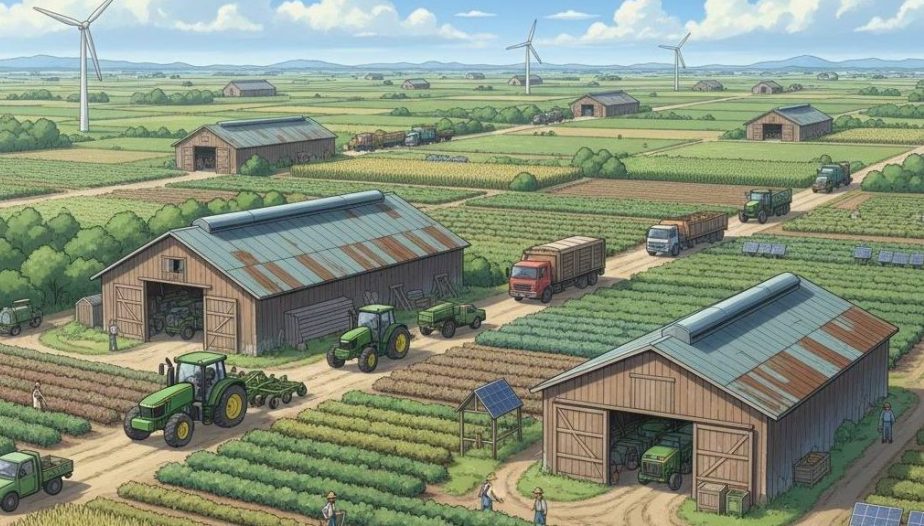
🌾 Commercial agriculture is a modern farming system where crops and livestock are produced mainly for sale in local, national, or international markets. Unlike subsistence farming, the primary goal of commercial agriculture is profit and large-scale production. This system uses advanced farming techniques, improved seeds, machinery, irrigation, and modern inputs to achieve higher yields. Commercial agriculture plays a major role in feeding growing populations, supporting food industries, and strengthening national economies. It is widely practiced in developed countries and is rapidly expanding in developing regions as well. Farmers involved in commercial agriculture focus on efficiency, productivity, and market demand. Understanding commercial agriculture is important for farmers, students, and policymakers because it shapes food supply chains, employment opportunities, and agricultural development worldwide.
Short Paragraph Section
🌾 Commercial agriculture is usually practiced on large farms where crops are grown specifically for selling in markets rather than for personal use.
🌾 This type of farming depends heavily on modern technology such as tractors, harvesters, irrigation systems, and improved seeds.
🌾 Market demand plays a key role in deciding what crops are grown, how much is produced, and when harvesting takes place.
🌾 Commercial farming often requires high investment in inputs like fertilizers, pesticides, machinery, and skilled labor.
🌾 It contributes significantly to economic growth by creating jobs, supporting agribusinesses, and increasing export earnings.
Key Aspects of Commercial Agriculture
Below are the main points that explain commercial agriculture in detail, including its methods, advantages, and challenges.
🔵 1️⃣ Meaning and Core Features
🌾 Commercial agriculture is defined by its focus on large-scale production and profit-oriented farming. Crops and livestock are grown mainly for sale in markets rather than for household consumption. Farms are usually large, well-organized, and highly mechanized. Farmers use improved seeds, chemical fertilizers, pesticides, and modern irrigation systems to maximize yield. Production decisions are influenced by market prices, consumer demand, and export opportunities. Because of its commercial nature, this system is closely linked to food processing industries, transportation networks, and global trade. Commercial agriculture aims to achieve efficiency, consistency, and high productivity while meeting the needs of a growing population.
🔵 2️⃣ Types of Commercial Agriculture
🌾 There are several types of commercial agriculture practiced around the world. Plantation agriculture focuses on a single crop such as tea, coffee, rubber, or sugarcane grown on large estates. Commercial grain farming involves crops like wheat, maize, and barley, often produced using machines on vast land areas. Dairy and livestock farming are also important forms, supplying milk, meat, and animal products to markets. Mixed commercial farming combines crop production with animal husbandry. Each type depends on climate, soil, technology, and market access, but all share the common goal of producing surplus for sale and profit.
🔵 3️⃣ Methods and Technology Used
🌾 Modern technology is the backbone of commercial agriculture. Farmers use tractors, seed drills, harvesters, and automated irrigation systems to reduce labor and increase efficiency. Scientific methods such as soil testing, precision farming, and controlled use of fertilizers help improve productivity. High-yield and hybrid seeds are commonly used to ensure uniform growth and better resistance to pests. Storage facilities, cold chains, and transportation systems help reduce post-harvest losses. These methods allow farmers to produce large quantities of food consistently, making commercial agriculture reliable and scalable for both domestic and international markets.
🔵 4️⃣ Benefits of Commercial Agriculture
🌾 Commercial agriculture offers several advantages for farmers and economies. It increases food production, ensuring a stable supply for urban and rural populations. Large-scale farming creates employment opportunities in farming, processing, transportation, and marketing sectors. It supports agro-based industries such as food processing, textiles, and biofuels. Commercial farming also promotes innovation and adoption of new technologies. By producing surplus crops, countries can earn foreign exchange through exports. When managed responsibly, commercial agriculture can improve farmer income, strengthen food security, and contribute to overall economic development.
🔵 5️⃣ Challenges and Sustainable Solutions
🌾 Despite its benefits, commercial agriculture faces challenges such as soil degradation, water overuse, and environmental pollution caused by excessive chemical inputs. High investment costs can be a barrier for small farmers. Market price fluctuations also affect profitability and income stability. To address these issues, sustainable practices such as crop rotation, integrated pest management, efficient irrigation, and responsible fertilizer use are essential. Encouraging technology that saves water and protects soil health can reduce environmental impact. Combining productivity with sustainability ensures that commercial agriculture remains profitable while protecting natural resources for future generations.
Conclusion
🌾 Commercial agriculture is a key pillar of modern food production and economic growth. By focusing on large-scale, market-oriented farming, it helps meet the food demands of growing populations and supports global trade. While it relies heavily on technology and investment, responsible management is essential to prevent environmental damage. Adopting sustainable farming practices, efficient resource use, and smart technologies can balance productivity with environmental care. When practiced wisely, commercial agriculture can improve farmer livelihoods, strengthen food security, and promote long-term agricultural development. Understanding this system is essential for building a sustainable and resilient future for global agriculture.