Introduction
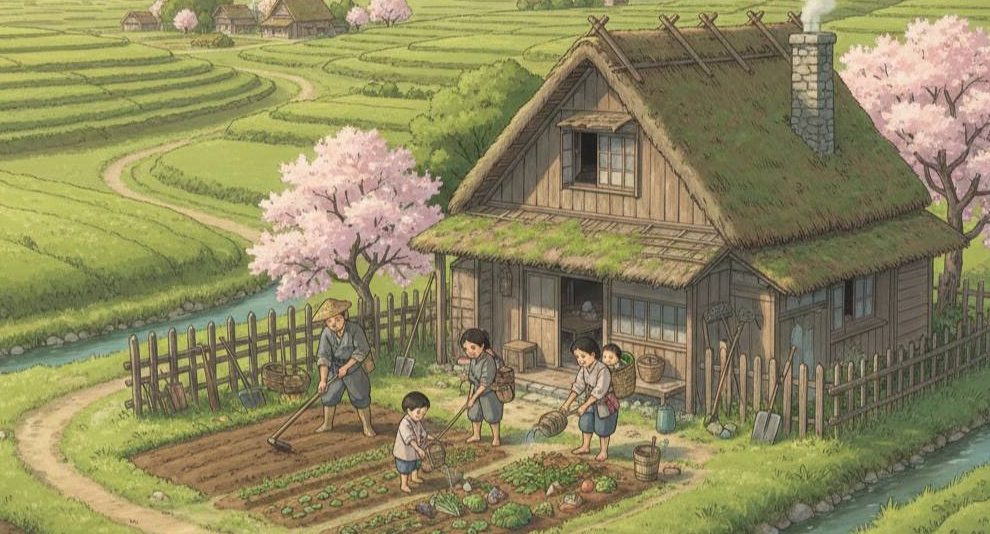
🌾 Subsistence agriculture is one of the oldest and most traditional forms of farming practiced globally. In this system, farmers primarily grow crops to feed their own families rather than selling in markets for profit. It is commonly found in rural areas of Asia, Africa, and Latin America, where modern agricultural technology is limited. Farmers rely on local resources such as soil, rainfall, and traditional knowledge passed down through generations. They use small plots of land and simple tools, and family labor plays a crucial role in day-to-day operations. The main goal is to ensure survival and food security, not to generate income. Despite its simplicity, subsistence agriculture is critical for millions of people worldwide. Understanding it helps us appreciate the challenges faced by small farmers and the importance of sustainable rural food systems.
Short Tips Section
🌾 Subsistence agriculture usually involves small land holdings where farmers grow essential food crops like rice, wheat, maize, and vegetables. The produce is mostly consumed within the household.
🌾 This type of farming is highly dependent on natural factors such as rainfall, temperature, and soil fertility. Poor weather conditions can cause crop failure, affecting food supply.
🌾 Traditional methods dominate subsistence farming. Farmers often use local seeds, organic fertilizers, and manual labor rather than mechanized tools or chemical inputs.
🌾 Family participation is central to this system. Every member, including men, women, and children, contributes to planting, watering, and harvesting activities.
🌾 Although subsistence farming ensures basic food security, it provides minimal financial stability. Farmers rarely earn surplus income, making them vulnerable to economic challenges.
Key Aspects of Subsistence Agriculture
Below are the main points explaining subsistence agriculture in detail, including its methods, advantages, and challenges.
🔵 1️⃣ Meaning and Basic Characteristics
🌾 Subsistence agriculture is primarily aimed at meeting the food needs of a farmer’s family. Unlike commercial farming, it produces little to no surplus for sale. Farms are small and often involve multiple crops grown together to reduce the risk of total crop failure. Modern machinery is generally absent, and farmers rely on manual labor and traditional practices. Crop selection is influenced by local climate, soil type, and dietary habits. This type of farming is closely tied to natural conditions and seasons, making farmers highly dependent on rainfall and soil fertility. Overall, subsistence agriculture emphasizes survival, food security, and self-sufficiency over profit.
🔵 2️⃣ Types of Subsistence Agriculture
🌾 There are several forms of subsistence agriculture adapted to different environments. Shifting cultivation involves clearing forested land, farming it for a few years, and then leaving it fallow. Intensive subsistence farming is common in densely populated regions, especially in Asia, where farmers cultivate rice or vegetables on small plots with high labor input. Pastoral subsistence farming focuses on raising livestock such as goats, cows, or sheep for milk, meat, and draft purposes. Each type depends on local conditions and available resources, and while they may seem simple, they require careful planning and knowledge to sustain families effectively.
🔵 3️⃣ Methods and Practices
🌾 Farmers practicing subsistence agriculture use traditional methods like plowing with animal-drawn tools, hand sowing, and organic fertilization. Crop rotation and intercropping are common practices to maintain soil fertility and reduce pest problems. Water is usually sourced from rainfall, small ponds, or local rivers, and irrigation is minimal. Seeds are often saved from previous harvests, ensuring sustainability and reducing dependence on commercial inputs. Farmers also integrate livestock into their system to provide manure, draught power, and additional food sources, making the farm self-sufficient and ecologically balanced.
🔵 4️⃣ Advantages of Subsistence Agriculture
🌾 Subsistence agriculture ensures that rural families have a steady supply of food, which is crucial for survival in areas with limited market access. It fosters community cooperation, as neighbors often help each other during planting and harvesting. Because it relies on organic and natural methods, it contributes to soil conservation and environmental sustainability. Farmers are closely connected to the land and understand local ecological patterns. Additionally, this system requires relatively low external inputs, which reduces dependency on costly fertilizers, pesticides, and machinery, making it economically viable for low-income families.
🔵 5️⃣ Challenges and Limitations
🌾 Despite its benefits, subsistence agriculture faces significant challenges. Low crop yield and minimal surplus income make farmers vulnerable to hunger and poverty. Dependence on weather and climate makes the system unpredictable, and natural disasters can severely impact food security. Limited access to modern tools, quality seeds, and markets reduces efficiency and productivity. Over time, land degradation and population pressure may further strain small holdings. To overcome these challenges, combining traditional knowledge with appropriate modern techniques and sustainable farming practices can improve productivity while preserving the ecological balance.
Conclusion
🌾 Subsistence agriculture remains a vital source of food and livelihood for millions of rural families worldwide. It emphasizes survival, self-sufficiency, and a deep connection to nature, making it a resilient and sustainable system despite modern challenges. While it faces limitations such as low productivity and vulnerability to climate variations, its reliance on traditional knowledge and minimal external inputs ensures environmental balance. Encouraging small farmers to adopt sustainable practices, crop diversity, and efficient water use can enhance food security without compromising the ecological integrity of rural areas. Understanding and supporting subsistence agriculture is essential for achieving both rural development and long-term global food sustainability.